The Ways Does Interior Design Embodying the Technique We Live and Experience?
Interior design is greater than just preparing furniture and choosing color design— it is an art type that directly affects how we experience our living and workplace. Every area we inhabit impacts our emotions, efficiency, and overall wellness. Whether we understand it or otherwise, the means a space is made can make us really feel comforted, invigorated, and even bewildered. This is why interior design plays such an essential function in shaping our lives.
At its core, interior design is about producing spaces that are both practical and visually pleasing. It needs a deep understanding of spatial planning, shade psychology, lights, and products. A well-designed room is not simply visually appealing; it also enhances our capability to make use of the space effectively and conveniently. Engineers and interior developers work together to ensure that a space is enhanced for individuals that will certainly use it, taking into consideration everything from ergonomic furniture placement to the circulation of all-natural light.
The effect of interior design surpasses easy design. HKB Interior Design created with warm tones and soft textures can create a feeling of relaxation and heat, while a workplace with an open floor plan and brilliant illumination can promote collaboration and effectiveness. Hotels, restaurants, and retailers all rely upon particular style methods to affect consumer behavior, producing environments that encourage people to linger, appreciate, or make purchases.
One of the most intriguing facets of interior design is how it reflects personal identity. The choices people make in making their homes are deeply individual, affected by their experiences, culture, and even subconscious preferences. Some may discover relief in minimalist visual appeals, where simpleness and decluttered areas offer satisfaction. Others may favor vibrant, expressive interiors filled with vibrant colors and elaborate patterns that reflect their vibrant characters. Interior design enables people to create spaces that really feel distinctly their very own while still serving useful requirements.
Sustainability has additionally come to be a driving force in modern interior design. With growing understanding of environmental issues, designers are now incorporating green products, energy-efficient lighting, and sustainable furniture right into their work. The rise of biophilic design— a concept that incorporates natural environments into indoor spaces— shows just how deeply individuals long for a link with nature, also within urban environments. By including plants, all-natural textures, and organic shapes, interior designers can create rooms that boost well-being and advertise a sense of consistency between the constructed setting and nature.

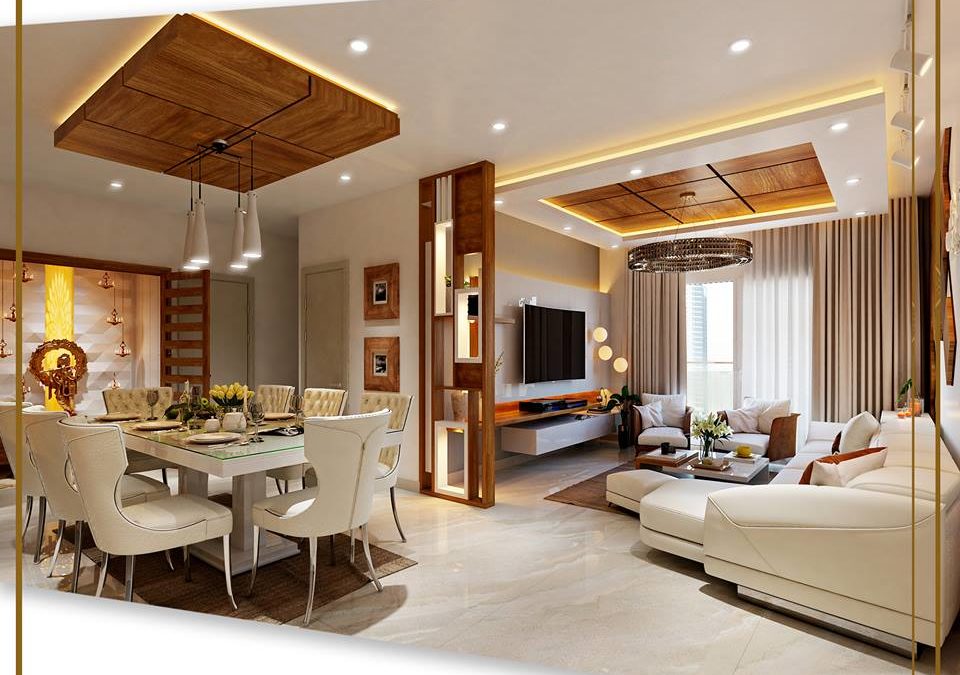 The psychological impacts of interior design can not be neglected. Studies have actually shown that shades can evoke specific psychological feedbacks— blue tones can produce a relaxing impact, while red can stimulate exhilaration or urgency. The setup of furniture and the presence of natural environments can affect tension levels, state of mind, and even cognitive feature. Designers take all these aspects into account when shaping atmospheres that sustain psychological and physical health.
Modern technology is additionally changing interior design in exciting methods. Smart homes outfitted with automated illumination, environment control, and voice-activated systems are redefining comfort and convenience. Virtual and enhanced reality devices allow developers and clients to visualize areas prior to making any type of modifications, ensuring that every decision lines up with their vision. The blend of technology and design is creating infinite opportunities for advancement and personalization in interior rooms.
Eventually, interior design is not almost making rooms look appealing— it is about crafting environments that enhance human experiences. Whether via the careful choice of colors, thoughtful furnishings positioning, or the integration of lasting products, design shapes the means we live, function, and feel. As trends continue to progress and modern technology developments, interior design will certainly stay a powerful device for transforming normal areas into remarkable ones, leaving a lasting impact on the way we engage with the world around us.